Dental Health

At Shettleston Smile Dental Practice, we believe good dental care starts with clear, practical advice. Whether you visit us for NHS dentistry, private treatment, cosmetic dentistry, tooth whitening, Invisalign, dentures or routine family dental care, looking after your teeth and gums at home is one of the most important ways to protect your smile.

This guide has been prepared for our patients in Shettleston and the surrounding areas to help explain the daily habits that support healthy teeth, healthy gums and fresh breath. It also highlights symptoms that should not be ignored, including toothache, bleeding gums, mouth ulcers, swelling, sensitivity and changes in the mouth.

Our team is here to help patients of all ages feel informed and confident about their dental health. If you are unsure about any aspect of your oral care, or if you would like advice tailored to your own teeth, gums, fillings, crowns, dentures or aligners, please contact the practice or speak to one of our dental team at your next appointment.

Daily Dental Care Advice for Our Patients

A good daily routine is the foundation of long-term oral health. Small habits, repeated consistently, can help reduce the risk of tooth decay, gum disease, bad breath and avoidable dental treatment.

We recommend that patients:

  • Brush twice a day using fluoride toothpaste
  • Brush last thing at night and on one other occasion during the day
  • Spend around two minutes brushing
  • Clean all surfaces of the teeth, including the front, back and biting surfaces
  • Pay attention to the gumline, where plaque can easily build up
  • Spit out toothpaste after brushing rather than rinsing immediately with water
  • Clean between the teeth every day using floss, dental tape or interdental brushes
  • Attend regular dental check-ups as advised by the dentist

Your dentist or hygienist can show you the best brushing and cleaning techniques for your mouth, especially if you have crowded teeth, crowns, bridges, dentures, implants, retainers or aligners.
Dental Health

At Shettleston Smile Dental Practice, we believe good dental care starts with clear, practical advice. Whether you visit us for NHS dentistry, private treatment, cosmetic dentistry, tooth whitening, Invisalign, dentures or routine family dental care, looking after your teeth and gums at home is one of the most important ways to protect your smile.

This guide has been prepared for our patients in Shettleston and the surrounding areas to help explain the daily habits that support healthy teeth, healthy gums and fresh breath. It also highlights symptoms that should not be ignored, including toothache, bleeding gums, mouth ulcers, swelling, sensitivity and changes in the mouth.

Our team is here to help patients of all ages feel informed and confident about their dental health. If you are unsure about any aspect of your oral care, or if you would like advice tailored to your own teeth, gums, fillings, crowns, dentures or aligners, please contact the practice or speak to one of our dental team at your next appointment.

Daily Dental Care Advice for Our Patients

A good daily routine is the foundation of long-term oral health. Small habits, repeated consistently, can help reduce the risk of tooth decay, gum disease, bad breath and avoidable dental treatment.

We recommend that patients:

  • Brush twice a day using fluoride toothpaste
  • Brush last thing at night and on one other occasion during the day
  • Spend around two minutes brushing
  • Clean all surfaces of the teeth, including the front, back and biting surfaces
  • Pay attention to the gumline, where plaque can easily build up
  • Spit out toothpaste after brushing rather than rinsing immediately with water
  • Clean between the teeth every day using floss, dental tape or interdental brushes
  • Attend regular dental check-ups as advised by the dentist

Your dentist or hygienist can show you the best brushing and cleaning techniques for your mouth, especially if you have crowded teeth, crowns, bridges, dentures, implants, retainers or aligners.
Brushing Advice from Shettleston Smile

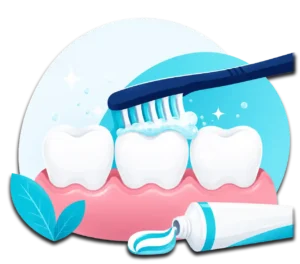
Brushing properly helps remove plaque, which is the soft bacterial film that forms on teeth and gums. If plaque is not removed effectively, it can contribute to tooth decay, gum inflammation and bad breath.

When brushing your teeth:

  • Use a soft or medium toothbrush, or an electric toothbrush if preferred
  • Angle the brush gently towards the gumline
  • Use small circular movements rather than aggressive scrubbing
  • Brush the inside, outside and biting surfaces of each tooth
  • Take extra care around fillings, crowns, bridges and orthodontic appliances
  • Replace your toothbrush or brush head regularly
  • Avoid brushing too hard, as this may damage the gums and enamel over time

If you are unsure whether you are brushing effectively, please ask our team. We can give practical advice during your appointment.


Cleaning Between Your Teeth

Toothbrushing alone does not always clean the spaces between the teeth. Food debris and plaque can collect in these areas, especially where teeth are close together or where there are gaps, crowns, bridges or orthodontic retainers.

Daily interdental cleaning can help:

  • Reduce plaque between the teeth
  • Lower the risk of gum inflammation
  • Help prevent decay between the teeth
  • Improve breath freshness
  • Keep dental restorations cleaner

Depending on your mouth, our team may recommend:

  • Dental floss
  • Dental tape
  • Interdental brushes
  • Superfloss for bridges
  • Specialist cleaning aids for braces, retainers or dentures

Interdental brushes are available in different sizes. Using the correct size is important, and our dental team can advise which type is most suitable for you.


Gum Health and Bleeding Gums

Healthy gums should not usually bleed when brushing or cleaning between the teeth. Bleeding gums may be a sign that plaque is collecting around the gumline and causing inflammation.

Please contact the practice if you notice:

  • Bleeding when brushing or flossing
  • Red, swollen or tender gums
  • Persistent bad breath
  • Gum recession
  • A bad taste in the mouth
  • Loose teeth
  • Changes in how your teeth meet when biting
  • Discomfort when chewing

Gum problems are often easier to manage when they are identified early. Regular dental examinations allow us to check your gum health and advise on the best way to care for your teeth at home.


Shettleston Smile Dental Practice Glasgow NHS and Private Treatment Healthy Eating

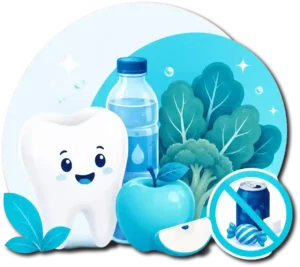
 Sugar, Diet and Tooth Decay

Tooth decay is strongly linked to how often teeth are exposed to sugar. It is not only the amount of sugar that matters, but also the frequency.

To help protect your teeth:

  • Keep sugary foods and drinks to mealtimes where possible
  • Avoid grazing on sweets, biscuits, cakes or sugary snacks throughout the day
  • Limit fizzy drinks, energy drinks and fruit juices
  • Choose water or milk between meals
  • Avoid sugary drinks before bedtime
  • Be aware that dried fruit, smoothies and flavoured yoghurts can still contain high levels of sugar
  • Consider sugar-free chewing gum after meals, where appropriate

A balanced diet supports both oral health and general health. If you are concerned about decay, sensitivity or frequent dental problems, our team can offer personalised advice.


Regular Dental Check-Ups

Regular dental examinations allow your dentist to check your teeth, gums and mouth, even if you are not experiencing pain.

At a routine check-up, your dentist may assess:

  • Tooth decay
  • Gum health
  • Existing fillings
  • Crowns, bridges, veneers or dentures
  • Signs of tooth wear or grinding
  • Jaw joint symptoms
  • Soft tissues of the mouth
  • Oral hygiene
  • Any concerns you may have

Regular visits also help us identify problems before they become painful, more complex or more costly to treat. At Shettleston Smile, we provide both NHS dental care and private dental treatment options, and we will explain what is suitable and available for your individual circumstances.

Shettleston Smile Dental Practice Glasgow NHS and Private Treatment Brushing 

Children’s Dental Health

Good dental habits should begin as soon as the first baby teeth appear. Early visits to the dentist can help children become familiar with the dental environment and build confidence.

For children, we recommend:

  • Brushing baby teeth as soon as they come through
  • Brushing twice daily with age-appropriate fluoride toothpaste
  • Supervising brushing until children can clean effectively by themselves
  • Encouraging water and milk as everyday drinks
  • Avoiding bottles or cups with sugary drinks at bedtime
  • Keeping sweets and sugary snacks to a minimum
  • Bringing children for regular dental check-ups
  • Asking our team for advice on brushing, diet and prevention

Our team aims to make children’s dental visits relaxed, positive and supportive.


Dental Advice for Nervous Patients

We understand that some patients feel anxious about visiting the dentist. Dental anxiety is very common, and we are here to help you feel as comfortable as possible.

If you are nervous, please let us know when booking or when you arrive. We can:

  • Take time to explain your treatment options
  • Answer your questions clearly
  • Go at a pace that feels manageable
  • Discuss ways to make treatment more comfortable
  • Talk to you about sedation options where suitable

Avoiding dental care because of anxiety can allow small problems to become more serious. We encourage nervous patients to contact us early so we can help make the experience as calm and reassuring as possible.


Tooth Sensitivity

Tooth sensitivity can cause short, sharp discomfort when eating or drinking hot, cold, sweet or acidic foods and drinks. Sensitivity may be mild and temporary, but it can also be a sign of an underlying issue.

Possible causes include:

  • Gum recession
  • Worn enamel
  • Tooth grinding
  • Cracked teeth
  • Tooth decay
  • Leaking fillings
  • Recent dental treatment
  • Acid erosion
  • Overbrushing

If sensitivity is severe, persistent or affects one specific tooth, please arrange an appointment so that we can check the cause.


Tooth Grinding and Jaw Clenching

Tooth grinding, also known as bruxism, can happen during the day or at night. Many patients are unaware they are grinding until symptoms appear.

Signs of tooth grinding may include:

  • Worn or flattened teeth
  • Chipped or cracked teeth
  • Jaw ache
  • Headaches
  • Tooth sensitivity
  • Clicking or discomfort in the jaw joint
  • Broken fillings, crowns or veneers
  • Tightness in the facial muscles

If we identify signs of grinding, we can discuss suitable options, which may include a custom-made night guard or advice to help reduce strain on the teeth and jaw.


Denture Care Advice

Dentures need regular cleaning and maintenance to keep them comfortable, hygienic and functional.

If you wear dentures:

  • Clean them daily
  • Rinse them after meals where possible
  • Clean your gums, tongue and any remaining natural teeth
  • Remove dentures at night if advised by your dentist
  • Store dentures safely when not being worn
  • Do not attempt to repair broken dentures yourself
  • Contact the practice if your dentures feel loose, sore or uncomfortable

Dentures can become less secure over time as the shape of the gums and jaw changes. Regular dental checks allow us to assess the fit and condition of your dentures.

Whitening, Invisalign and Cosmetic Treatment Advice

Private dental treatments such as tooth whitening, Invisalign clear aligners, crowns, veneers and cosmetic fillings can help improve the appearance of your smile. These treatments should always be planned carefully to protect your dental health as well as improve aesthetics.

Before cosmetic treatment, we may need to check:

  • Gum health
  • Tooth decay
  • Existing fillings or crowns
  • Bite and alignment
  • Sensitivity
  • Tooth wear
  • Oral hygiene

At Shettleston Smile, we will discuss your options clearly and explain what is suitable for your teeth. We can also provide patient education videos and further information to help you understand the treatment before making a decision.


Shettleston Smile Dental Practice Glasgow NHS and Private Treatment Digital Dentistry

Digital Dentistry and Dental Scanning

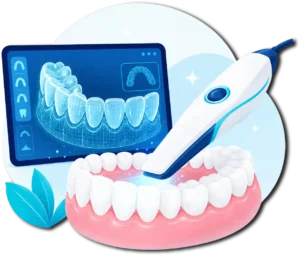
Modern digital dentistry can help make treatment planning more accurate, efficient and comfortable. Our iTero Lumina intra-oral scanner allows us to take digital scans of your teeth and mouth, reducing the need for traditional impressions in many cases.

Digital scanning can be useful for treatments such as:

  • Crowns
  • Bridges
  • Dentures
  • Invisalign clear aligners
  • Retainers
  • Cosmetic treatment planning

Digital scans help us communicate more effectively with dental laboratories and can support accurate treatment planning for natural-looking, comfortable restorations.


Mouth Cancer Awareness

Mouth cancer can affect the lips, tongue, cheeks, gums, roof or floor of the mouth and the throat area. Early detection is very important.

Please contact a dentist or healthcare professional if you notice:

  • An ulcer that does not heal within three weeks
  • Red or white patches in the mouth
  • A lump or swelling in the mouth, jaw or neck
  • Unexplained bleeding
  • Persistent pain or numbness
  • Difficulty swallowing
  • Difficulty speaking
  • Difficulty moving the tongue or jaw
  • A persistent sore throat
  • A change in your voice

Smoking and alcohol can increase the risk of mouth cancer and other oral health problems. If you notice changes in your mouth, please do not ignore them.


When to Contact the Practice

Please contact Shettleston Smile Dental Practice if you experience:

  • Toothache
  • Swelling
  • Dental trauma
  • A broken tooth
  • A lost filling
  • A loose or lost crown
  • A broken denture
  • Bleeding gums
  • Loose teeth
  • Persistent bad breath
  • Pain when biting
  • Sensitivity that does not settle
  • Mouth ulcers that do not heal
  • Changes in the soft tissues of the mouth
  • Problems with retainers, aligners or dentures

If you have severe facial swelling, difficulty breathing, difficulty swallowing or feel seriously unwell, seek urgent medical help.


Our Simple Oral Health Checklist

To help keep your teeth and gums healthy:

  • Brush twice daily with fluoride toothpaste
  • Clean between your teeth every day
  • Reduce how often you have sugary foods and drinks
  • Drink water between meals
  • Avoid smoking
  • Limit alcohol intake
  • Attend regular dental check-ups
  • Ask for advice if you are unsure about your brushing or cleaning routine
  • Contact the practice early if you notice pain, swelling, bleeding or changes in your mouth

Good oral health is a partnership between you and your dental team. With the right daily routine, regular dental visits and early advice when problems appear, you can help protect your smile for years to come.

Phone

0141 778 3016

Location

Shettleston Smile Dental Surgery

948-950 Shettleston Road
Glasgow
G32 7XW

Email

info@shettlestonsmile.co.uk

Store Hours

Monday - Friday:
9:00am - 5:00pm

Late Opening Thursday
9:00am - 7:00pm

Send Us A Message